The Story of Barn Quilts
From Quilts to Barns
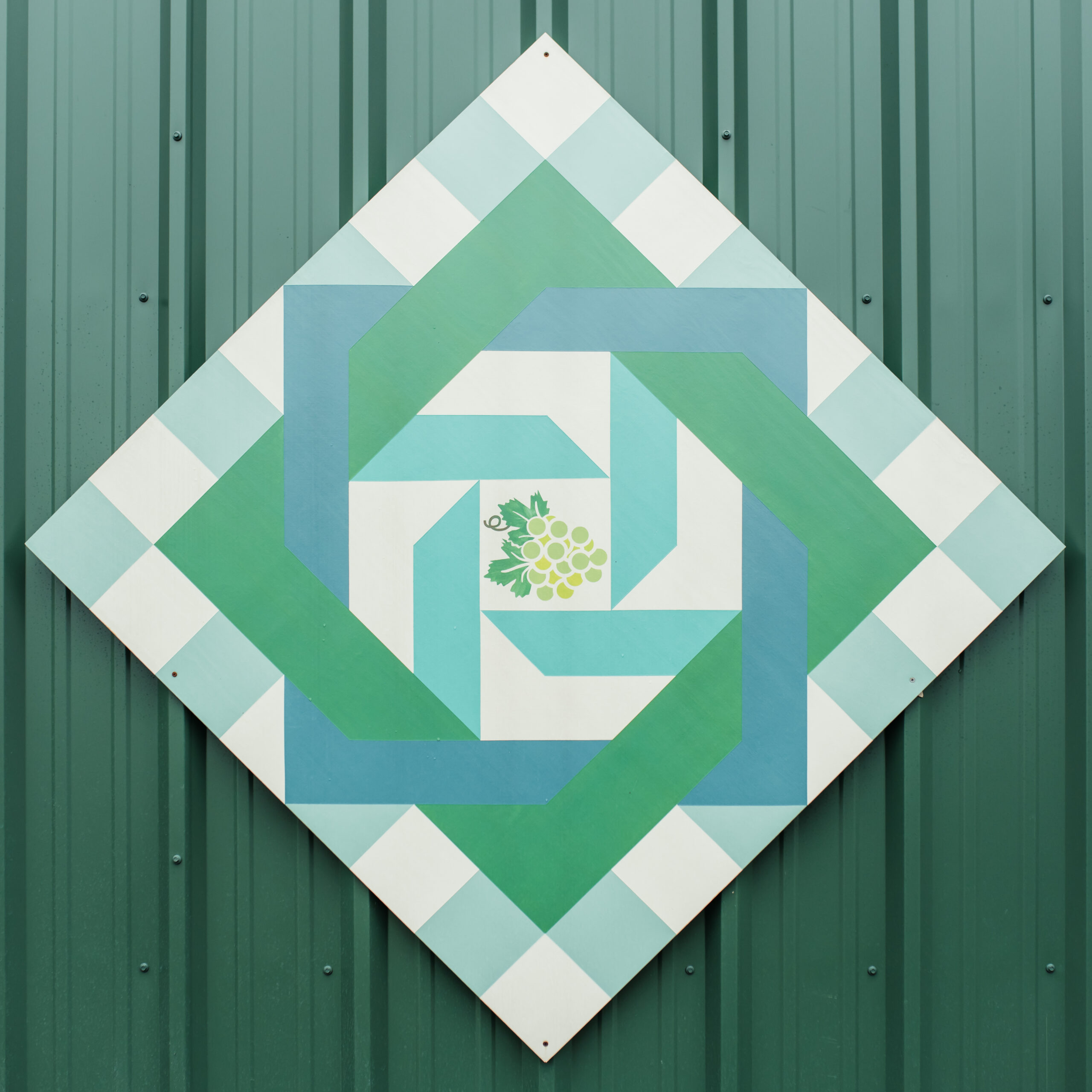
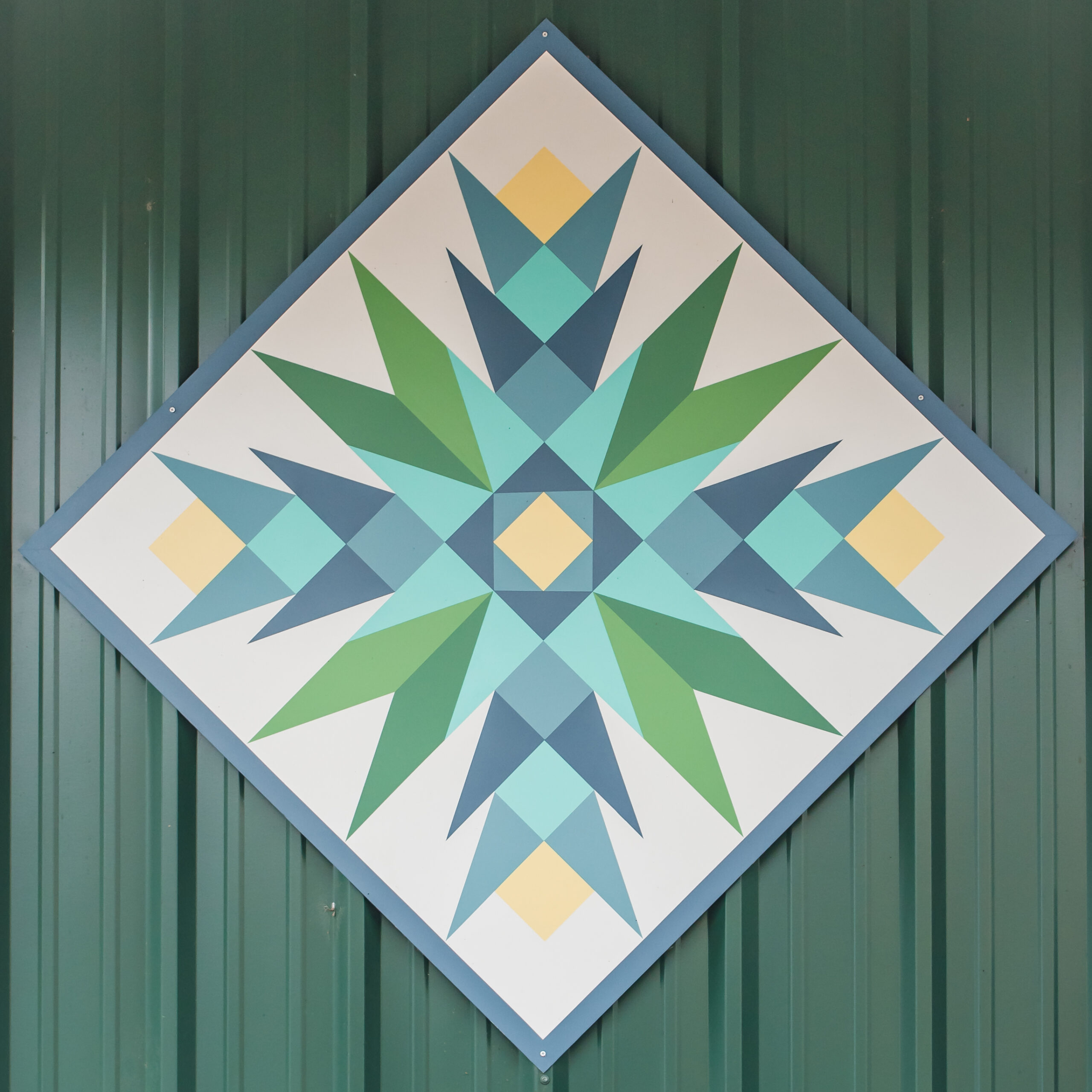
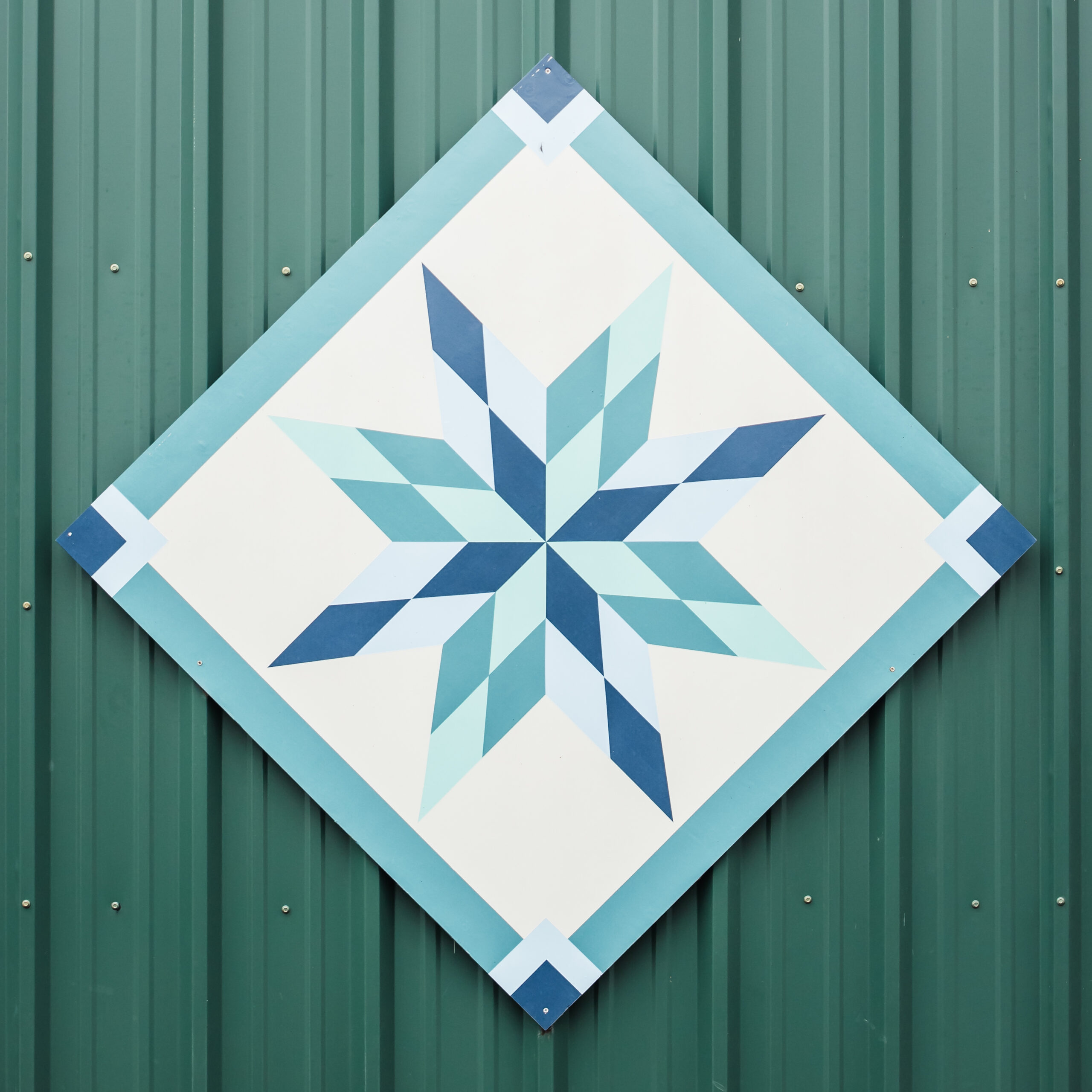
Barn quilts may look like they’ve been around forever, but in truth, the idea of painting quilt squares on barns is a fairly new tradition with very old roots. For generations, quilting has been a beloved form of folk art in America, especially in rural communities. Quilts didn’t just keep families warm—they told stories, carried on family heritage, and added beauty to everyday life.
Fast forward to 2001, when a woman in Ohio named Donna Sue Groves decided to honor her mother, an avid quilter, by painting a quilt block on their barn. What started as one heartfelt gesture quickly sparked an idea for a whole “clothesline of quilts” across the county. Before long, other communities joined in, and barn quilts began popping up all across the country.
Folk Art Meets Rural Life
Here in the Texas Hill Country—and in the Round Top area especially—barn quilts have become a way to celebrate local culture, family stories, and the charm of country living. The designs are often inspired by classic quilt patterns like the Ohio Star, Flying Geese, or Double Wedding Ring. Each one carries its own meaning, whether it’s a nod to family history, a tribute to the land, or simply a burst of color to brighten the road.
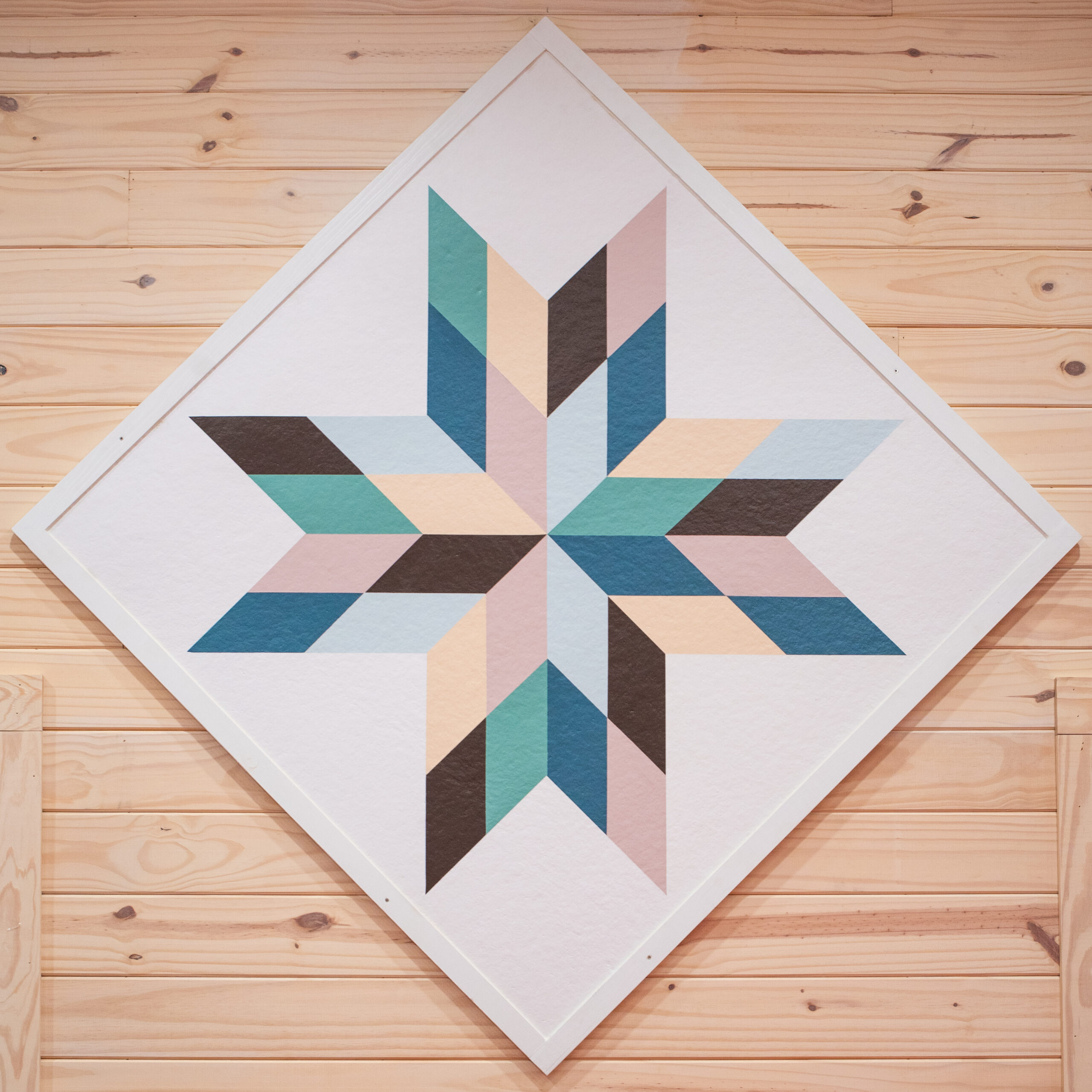
Texas Star or Lone Star
Lone Star quilts are characterized by their eight-pointed star in the center of the quilt top. Each side of the quilt has two large points that point north, south, east, and west.
Before being known as the “Lone Star” pattern, it was known as the “Mathematical Star” in England and the East Coast of the US. Other names include Star of Bethlehem, Star of the East, Morning Star, and Blazing Star.
Texan quilters adopted the name “Lone Star” from the Native Americans who originally came up with the name. Texans called it the Lone Star quilt after they became the “Lone Star State.”
As pioneers traveled West, the women brought their quilting skills and community with them, which is how the “Mathematical Star” made its way West.
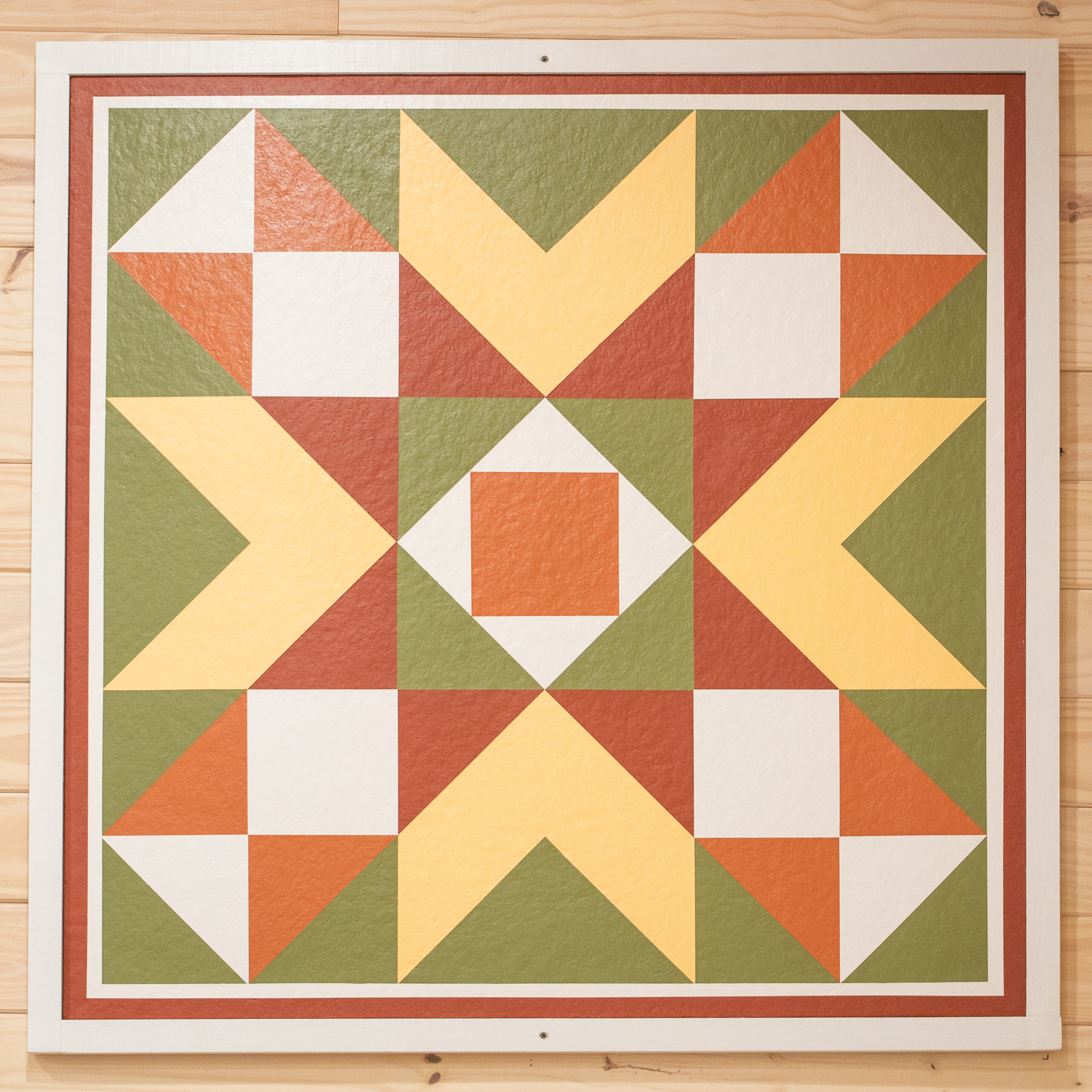
Western Star or Wyoming Valley Quilt Block
The Wyoming quilt block is a 9-patch block made with flying geese units, a square-in-a-squareunit and half-square triangles.
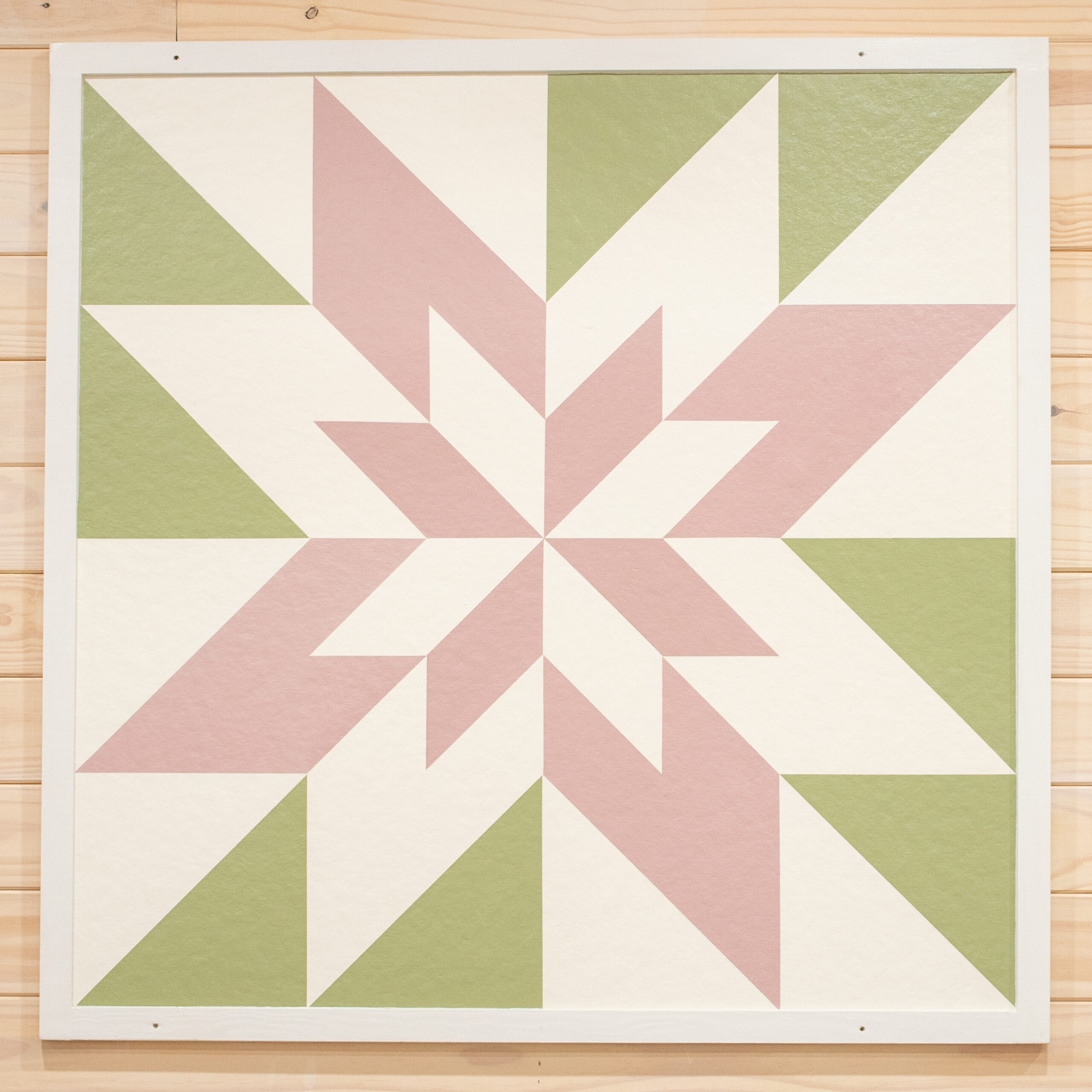
LeMoyne Star or Lemon Star
The LeMoyne Star quilt block is named after brothers Jean Baptiste and Pierre LeMoyne, who founded the city of New Orleans in 1718. French speakers named and referred to the 8-pointed star as LeMoyne; “however, in the North, the non-French-speaking quilters renamed it LEMON STAR, shortening the original name.”
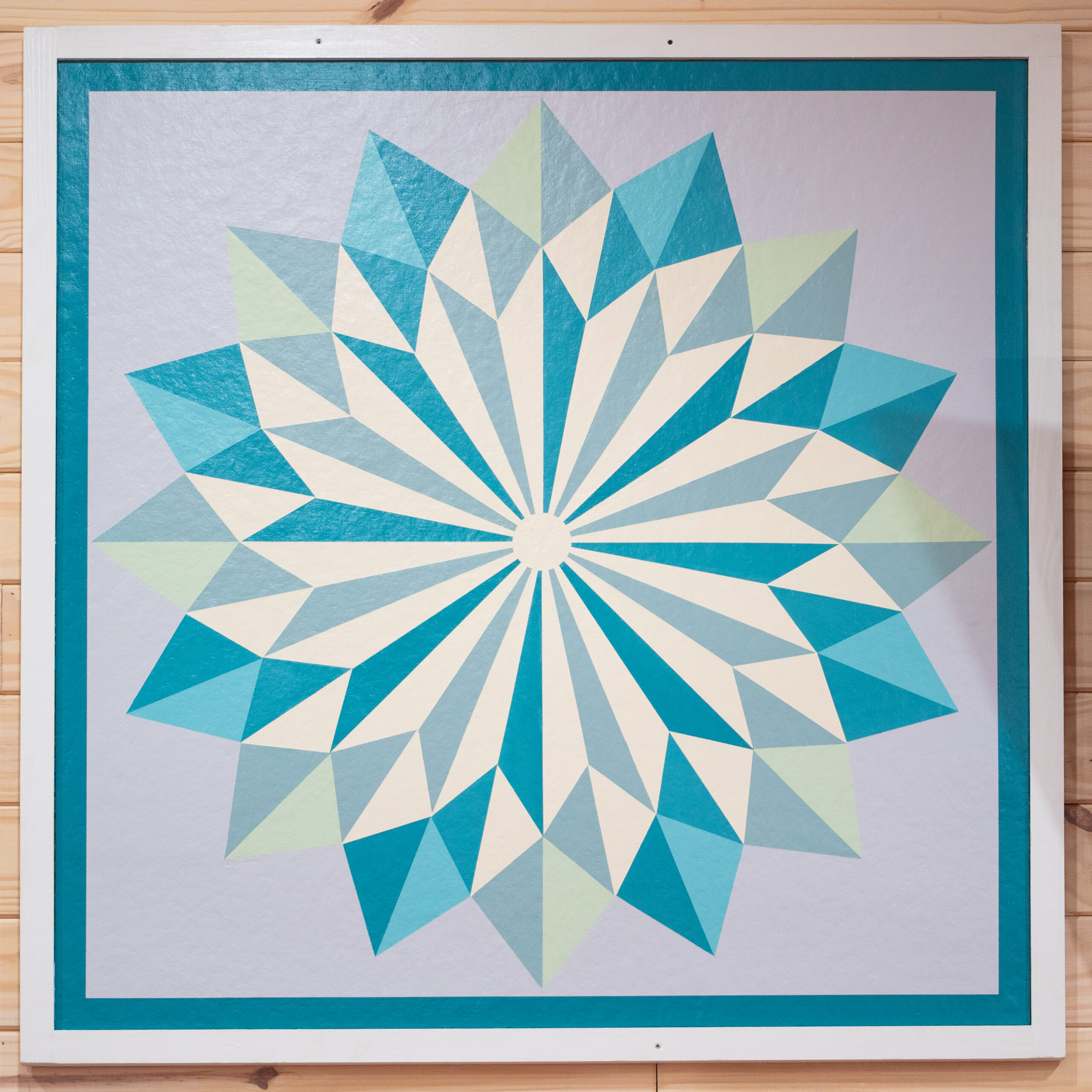
Giant Dahlia (Variation)
Giant Dahlia is based on a pattern by a man! Hubert Ver Mehren and his wife owned a small company called Home Arts Studios.
Hubert Ver Mehren released his Giant Dahlia pattern in 1933, and this one-like several other well known patterns of his-was complex and unusual for quiltmaking.
Hubert was not a quilter but he had an incredible eye and a special talent for transferring his ideas to textile patterns. He drafted his patterns without knowledge-or the constriction-of knowing how to piece quilts. As a result, his patterns are considered some of the most complex and dramatic pieced designs of the day. And they still continue to astonish today!
Legends and Lore
Of course, no good folk art comes without a few tall tales. Some say quilts once carried secret messages along the Underground Railroad, with patterns like Flying Geese pointing the way north. Historians aren’t so sure, but the story endures because it connects quilts to resilience and hope. Others see a connection to Pennsylvania Dutch “hex signs”—those bright, geometric paintings that decorated barns back in the 1800s. While barn quilts aren’t quite the same, they share a kinship in spirit and style.
A Modern Tradition with a Timeless Feel
Even though the barn quilt movement is just a couple of decades old, it feels timeless. Maybe it’s because quilts themselves are timeless—woven into family life, handed down from one generation to the next. When you see a barn quilt in the Hill Country, you’re not just looking at paint on wood. You’re seeing a story, a celebration of community, and a reminder that even something as simple as a square of color can connect us to our past while adding beauty to the present.
Follow the Quilt Trail to Round Top
One of the best ways to experience the magic of barn quilts is to hit the road and follow a trail. Here in the Round Top area, you’ll spot these colorful treasures decorating barns, businesses, and homesteads, each one with its own character and charm. It’s like a scavenger hunt meets a folk art gallery—perfect for a day trip or a weekend adventure.
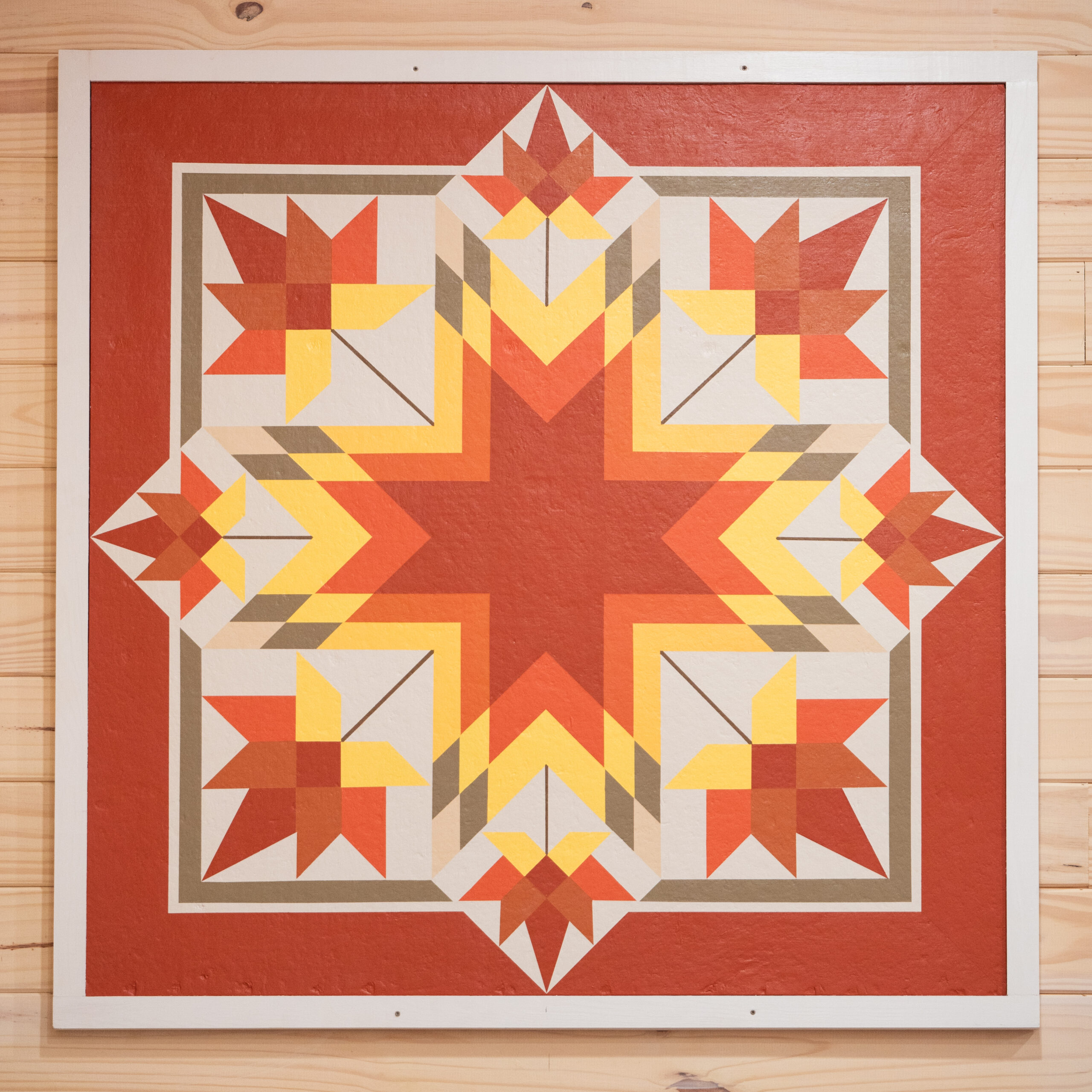
LeMoyne Star or Lemon Star
Modern quilt pattern. The Autumn Delight quilt pattern showcases an intricate arrangement of eight-point stars, reminiscent of the crisp autumn nights. Rich hues of rust, pumpkin, amber, and gold capture the essence of fall's splendor. Maple leaves jut out of the 8-point star to give it added color and whimsy.
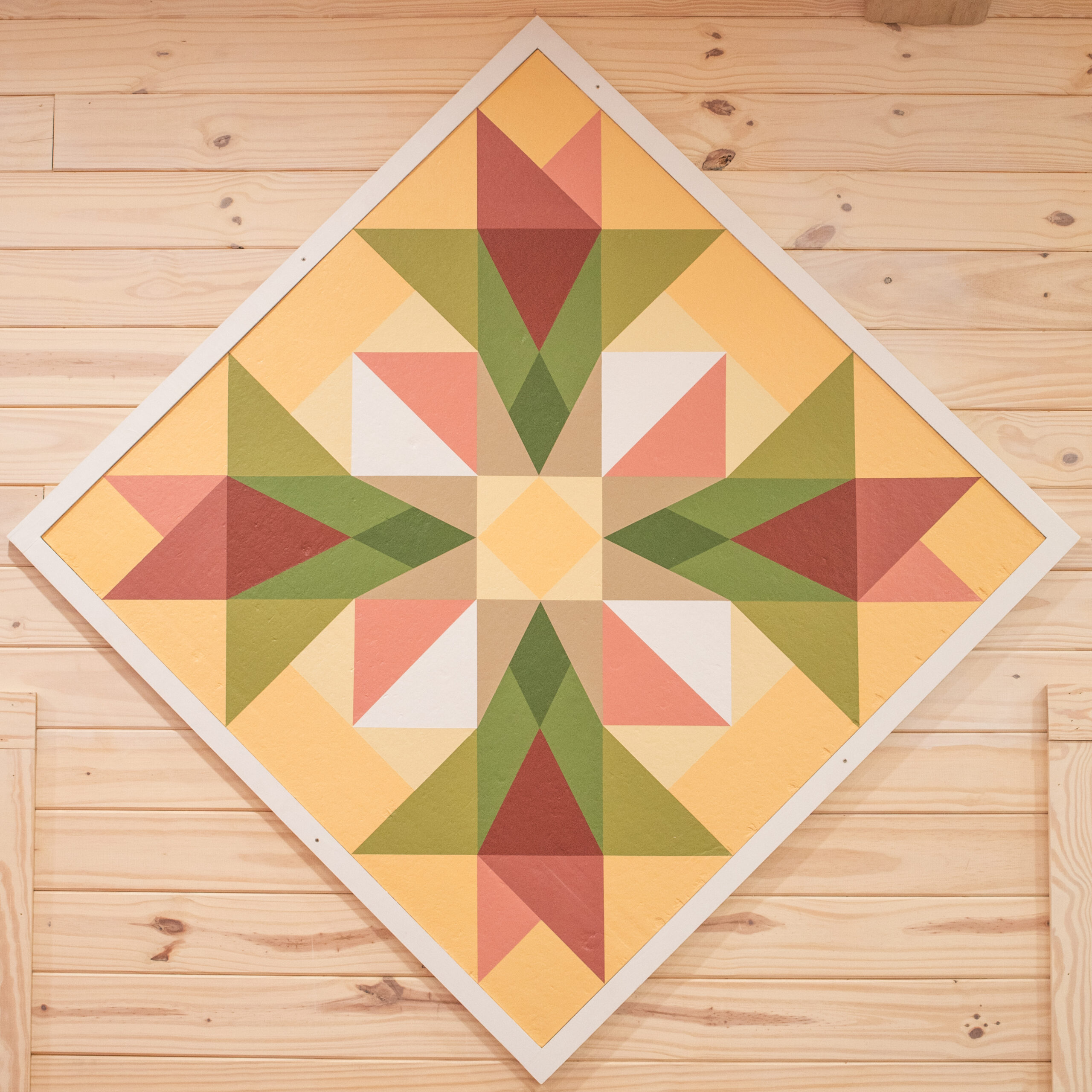
Elegant Star or Tulips 2
Modern quilt pattern
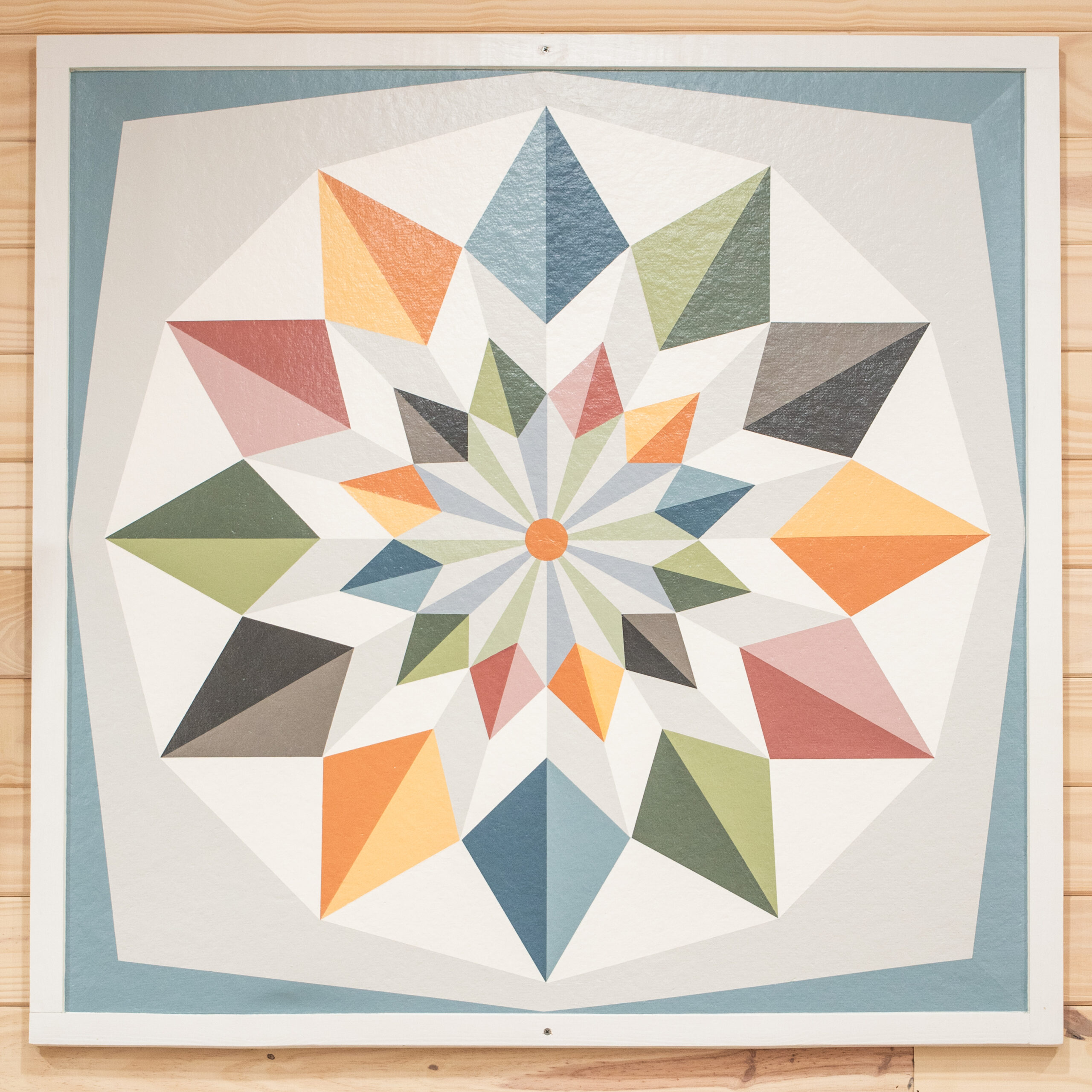
The Kaleidoscope Barn Hex
The Kaleidoscope Barn Hex was designed with elements inspired from the Pennsylvania Dutch hexes that represented all the virtues of faith, strength, abundance, purity, divinity, service, love, and health.
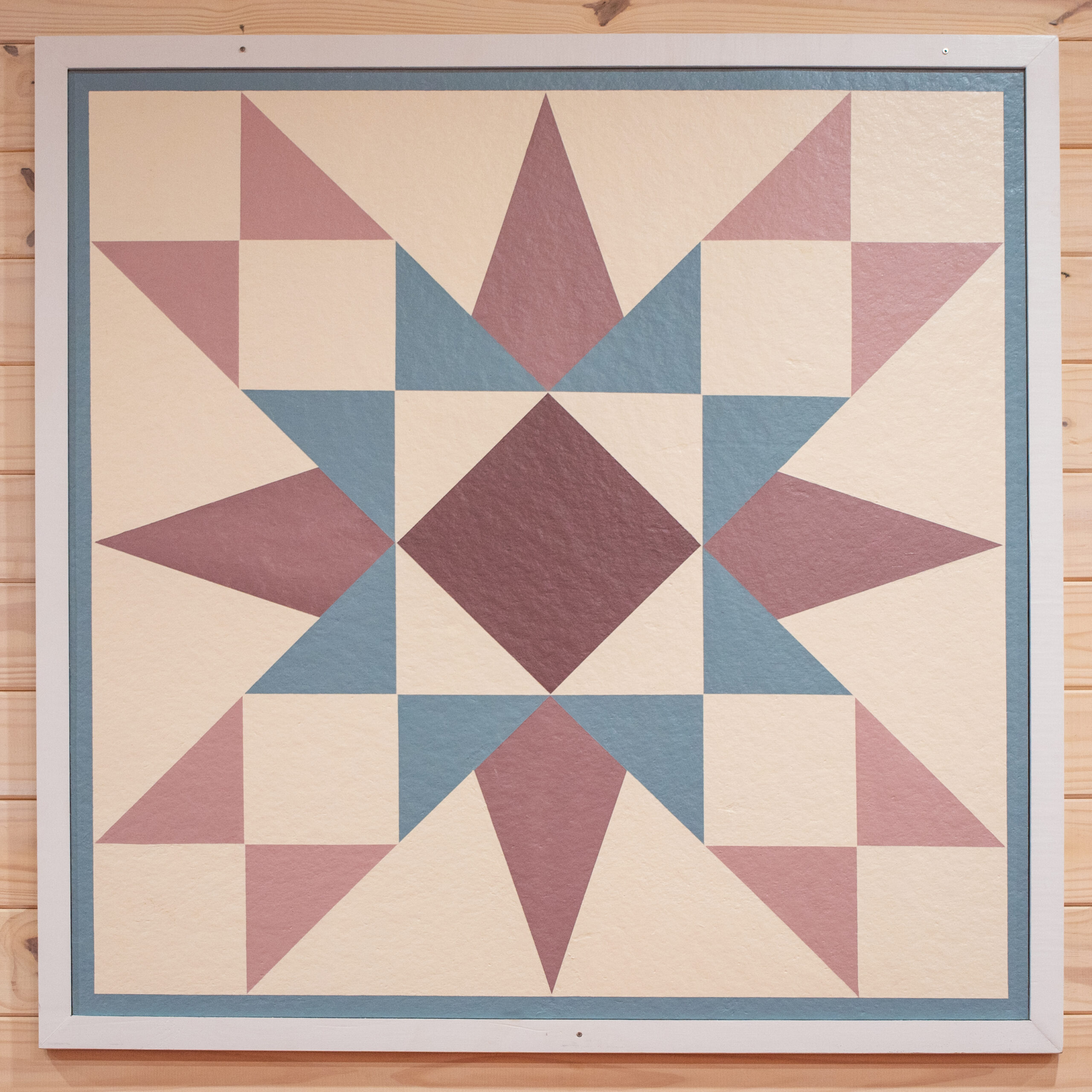
Solitude Star
Come See Us
And while you’re exploring, make sure to stop by and see us at Busted Oak Cellars. We are a local craft winery and event venue in Round Top, Texas and feature our own collection of barn quilts, adding a splash of Hill Country tradition to our vineyard’s laid-back, welcoming atmosphere. Sip a glass of Texas wine, catch some live music under the big sky, stay overnight or even let us host your next big event to soak in the full experience. With its blend of folk art, local flavor, and community spirit, Busted Oak Cellars is the perfect stop on your barn quilt journey.
Plan Your Visit
Ready to see for yourself? Pack your bags, grab your camera, and set out on the Round Top Barn Quilt Trail. Whether you come for the art, the history, or the wine, you’ll leave with a deeper appreciation for the beauty and stories woven into the Texas Hill Country.